
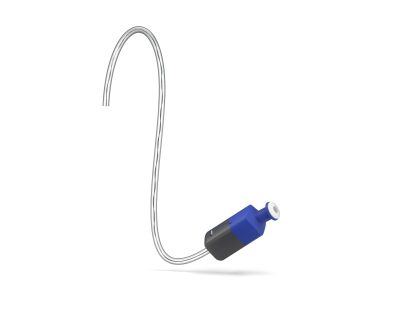
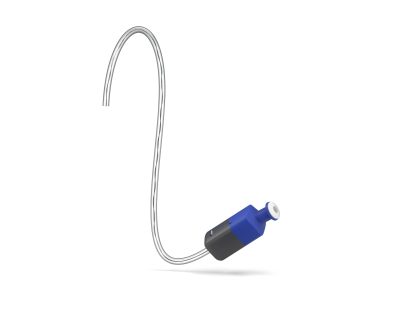
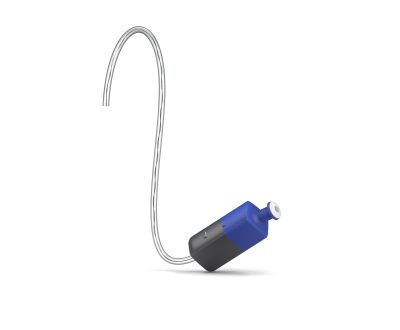
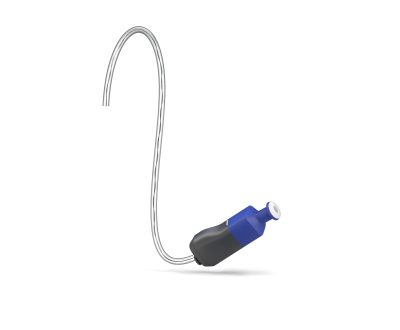
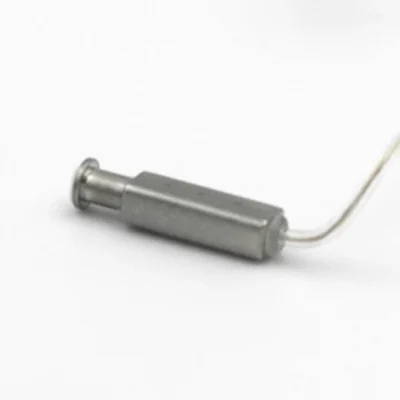

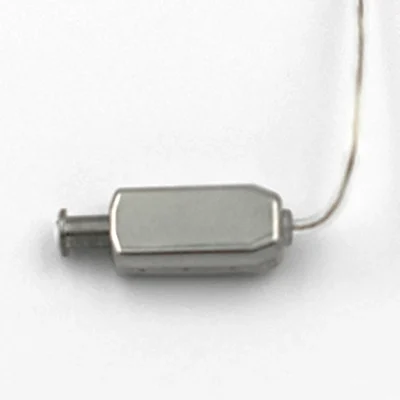
Danalogic receivers for hearing aids
The receiver is one of the most important components in a Danalogic hearing aid. It sends the amplified sound directly into your ear canal and plays a key role in sound clarity and speech understanding. If your hearing aid suddenly sounds weak, distorted, or silent, a worn or damaged receiver may cause the problem. Replacing the receiver often restores full performance without replacing the entire device.
What is a hearing aid receiver
In modern hearing aids, the receiver sits inside the ear canal and is connects to the main device with a thin wire. Because the receiver sits close to earwax and moisture, it is experiences daily exposure to these elements. Over time, this exposure can reduce sound quality or lead to technical failure.
Common signs that indicate a receiver replacement include:
- No sound despite a fresh battery
- Intermittent or crackling audio
- Distorted or weak amplification
- Visible damage to the receiver wire
If cleaning the hearing aid and replacing the wax guard does not solve the issue, the receiver likely needs replacement.
LP, MP, and HP
Manufacturers offer Danalogic receivers in different power levels and sizes to match your hearing loss and device settings.
- LP: Low Power receivers suits mild hearing loss.
- MP: Medium Power receivers support moderate hearing loss and represent one of the most common options.
- HP: High Power receivers deliver stronger amplification for more significant hearing loss.
Always choose the same power level as your current receiver to maintain the correct acoustic fitting.
Choosing the correct length
Receiver wires come in several lengths to ensure a comfortable and secure fit behind the ear. The correct length allows the hearing aid sit naturally without pulling or slipping. The length is usually marked on the existing receiver and should be matched when ordering a replacement.
When should a receiver be replaced
Receivers are wearable parts and may need replacement after extended use. Factors such as moisture, earwax, and daily handling gradually affect performance. Many users replace receivers every 1 to 2 years, although lifespan depends on usage patterns and maintenance habits.
Replacing the receiver instead of the full hearing aid is a cost-effective way to restore optimal sound performance.
Simple replacement process
Most Danalogic RIC hearing aids allow for straightforward receiver replacement. Depending on the model, the receiver may click into place or require a small tool for removal. Always ensure the new receiver is securely attached before inserting the device.
After replacement, attach a new dome and wax guard to ensure maximum sound clarity and hygiene.
In need of help?
At Japebo, we offer compatible Danalogic receivers in various power levels and lengths to match your specific hearing aid. If you are unsure which version you need, contact us at info@japebo.xyz, and we will help you identify the correct receiver for your model.