Maintenance

NELL1 POI-59

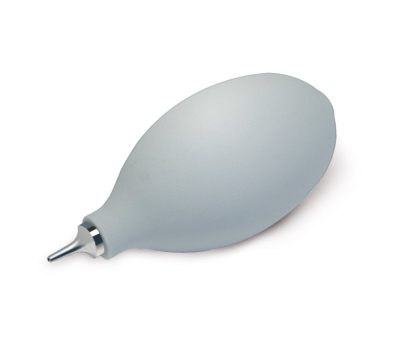
Air puffer

7.90 
2.50 
Starting From: 3.90 

NELL1 ODN-59

Odinell Ear Spray

13.90 

NELL1 PDO-00A

PerfectDome

109.90 
79.90 

098-0334

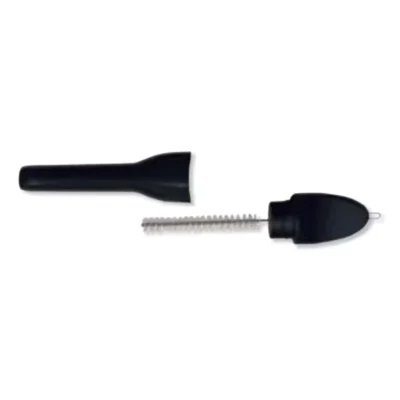
Roundbrush

Starting From: 2.90 
Starting From: 2.90 
Starting From: 2.90 

890-22-210-00

Cleaning Brushes

30.20 

Oticon hearing aid cleaning & care

Regular Oticon hearing aid cleaning is important to keep your hearing aids sounding clear, feeling comfortable and working reliably. Oticon hearing aids are worn in or behind the ear every day and come into contact with moisture, earwax, skin oils, dust and dirt. If this build-up is not removed, it can affect microphone openings, domes, earmoulds, sound tubes or wax filters.

On this page, you will find products for Oticon maintenance, cleaning and care. These include cleaning wipes, cleaning sprays, air blowers, cleaning tools, drying solutions and suitable replacement parts. Oticon wax filters, Oticon domes and Oticon chargers are especially important for regular care, as they directly affect sound, comfort and everyday use.

How to clean Oticon hearing aids

When cleaning Oticon hearing aids, you should always work carefully and use only suitable care products. Electronic components must not be rinsed with water, and cleaning spray should not be sprayed directly into microphone openings, receivers, charging ports or battery compartments. The purpose of cleaning is to remove dirt, earwax and moisture without damaging sensitive components.

Oticon generally recommends cleaning hearing aids and earmoulds daily with a soft, dry cloth. Your hands should be clean and dry, and cleaning should preferably be done over a soft surface to protect the hearing aid if it is accidentally dropped. According to Oticon, wax filters should be replaced at least once a month, or when blocked or when the sound becomes unusual.

Daily cleaning of Oticon hearing aids

Wipe your Oticon hearing aid after wearing it with a dry, soft cloth or a suitable cleaning wipe. Check the outer surfaces, microphone openings, domes, earmoulds and visible openings. If you use a cleaning spray, apply it to a cloth first and then clean the outer areas. Do not spray directly onto the hearing aid.

For Oticon hearing aids with domes, check whether the dome is filled with earwax, discoloured, loose or hardened. In these cases, it should be replaced. For models with wax filters, the filter should be checked regularly, especially if the sound becomes duller, weaker or unclear. Often, a change in sound is not caused by the hearing aid itself, but by a blocked filter or a worn dome.

Weekly check

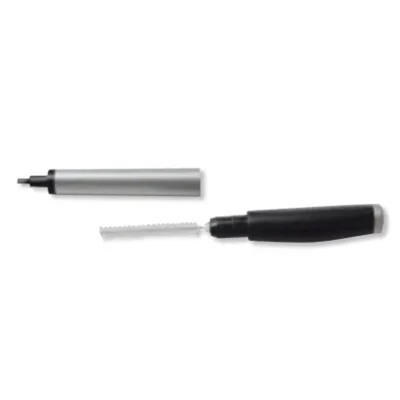
Check hard-to-reach areas once a week. These include microphone openings, tubes, domes, earmoulds and connection points. An air blower can help remove moisture from tubes or small openings. Cleaning tools such as a mini wax cleaner, a MultiTool or thin tube cleaners can be useful, depending on your Oticon model, for carefully loosening dry residue.

With behind-the-ear hearing aids with a sound tube, the tube should also be checked. If it becomes yellowish, hard, stiff or damaged, sound transmission can become worse. With in-the-ear hearing aids, protection of the sound outlet is especially important because it sits directly in the ear and comes into contact with earwax more quickly.

Oticon cleaning products overview

An Oticon cleaning kit can be useful if you want to combine several care products for daily and weekly cleaning in one solution. Depending on the version, an Oticon cleaning kit may include cleaning wipes, brushes, cleaning tools, an air blower, cleaning spray or drying solutions. Which products you need depends on your hearing aid design and the replacement parts used.

Oticon cleaning spray

Oticon cleaning spray is suitable for external cleaning of hearing aids, earmoulds and accessories. It helps remove dirt, skin oils and residue from surfaces. The spray should be used carefully: apply it to a soft cloth or suitable brush and clean the outer surfaces with it. Avoid direct contact with microphone openings, receiver areas, charging ports or battery compartments.

Cleaning spray is especially useful if you want more thorough surface care. However, it does not replace changing wax filters, domes or tubes. For complete Oticon hearing aid care, cleaning spray should be combined with regular checks of replacement parts and a suitable drying solution.

Oticon cleaning wipes

Oticon cleaning wipes are practical for quick daily care and for travel. They can be used to hygienically clean outer surfaces, earmoulds or accessories. Cleaning wipes are especially easy to use because they are ready to use and require no additional tools.

The difference from cleaning spray is mainly in the application. Cleaning wipes are the quick option for daily external cleaning. Cleaning spray is more suitable when you want to moisten a cloth or tool and clean certain surfaces more thoroughly. Both products should only be used externally and should not enter electronic openings.

Air blower and cleaning tools

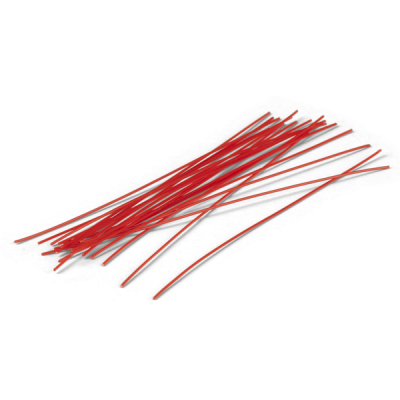
An air blower is useful for removing moisture from tubes, small openings or earmoulds. Especially with hearing aids that use a sound tube, a targeted burst of air can help reduce moisture and keep the sound path clear. Cleaning tools such as mini wax cleaners, thin tube cleaners or Corda slim tube tools can also be useful depending on your Oticon model.

These tools should be used carefully. They are intended to remove dirt, moisture or dry residue, not to apply pressure to sensitive components. If a part is heavily soiled, hard, discoloured or damaged, replacement is often more suitable than repeated cleaning.

Drying and chargers

Drying solutions can support daily Oticon care, especially if your hearing aids are exposed to a lot of moisture. This applies during heavy sweating, humid weather, travel or long daily wear. Drying boxes and electronic drying solutions help reduce moisture and protect sensitive components.

Oticon chargers can also be part of your daily routine if you use rechargeable Oticon hearing aids. However, it is important to briefly clean the outside of the hearing aids before charging and remove visible moisture or residue. Charging does not replace cleaning, but it can be combined with a fixed care routine.

Oticon accessories for care and maintenance

In addition to cleaning products, replacement parts are also part of Oticon hearing aid care. Oticon wax filters protect the receiver from earwax and should be replaced when the sound becomes dull, weaker or unusual. Oticon domes support fit, comfort and sound transmission in the ear. They should be replaced if they become hard, discoloured, blocked, loose or uncomfortable.

For certain Oticon hearing aids, tubes, earmoulds, microphone filters or cleaning tools may also be relevant. Always make sure the accessory fits your exact Oticon model. Similar-looking parts are not automatically compatible, and the wrong dome, filter or tool can affect function or fit.

FAQ about Oticon hearing aid cleaning

How often should Oticon hearing aids be cleaned?

Oticon hearing aids should be cleaned briefly every day. Wipe the devices and earmoulds after wearing them with a soft, dry cloth or a suitable cleaning wipe. Check domes, earmoulds, tubes and wax filters regularly. Wax filters should be replaced at least once a month, or when blocked or when the sound changes. Domes should also be checked regularly and replaced when needed.

What is the difference between Oticon cleaning spray and cleaning wipes?

Oticon cleaning wipes are a quick and practical solution for daily external cleaning. They are especially useful when travelling and for a simple care routine. Oticon cleaning spray is applied to a cloth or suitable tool and can be used for more thorough surface cleaning. Both products should not be used directly in microphone openings, receivers, charging ports or other electronic areas.

Buy with confidence

At Japebo, you will find products for Oticon hearing aid cleaning, care and maintenance designed for everyday use. If you are unsure which cleaning products, wax filters, domes, chargers or drying solutions fit your Oticon hearing aid, contact us at info@japebo.xyz. We will help you find the right solution for your model.